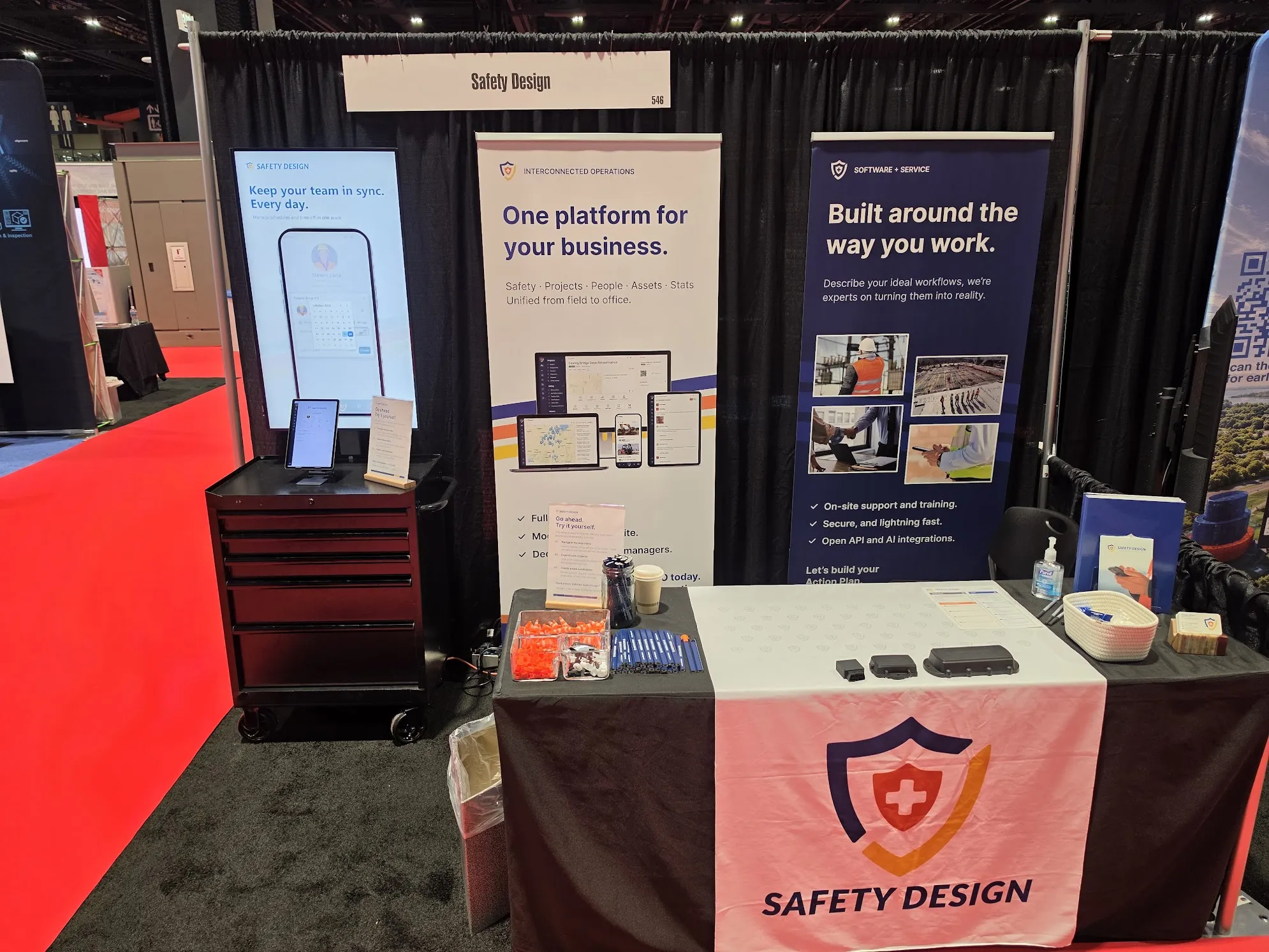
Chicago Build 2026 gave our team a chance to step away from development and spend time with the people working across the construction industry. We met with general contractors, specialty contractors, estimators, and other businesses to hear about their work, introduce Safety Design, and discuss where technology could make a difference.
Between the conversations at our booth, hands-on demonstrations, and our founder's participation in an AI panel, the event brought one idea into focus: useful software starts with understanding the people and businesses using it.
Exploring Safety Design firsthand
For many visitors, the introduction started with our name. Safety is part of what we do, but the conversations at Chicago Build allowed us to show the broader platform and explain how it can support different parts of a business.
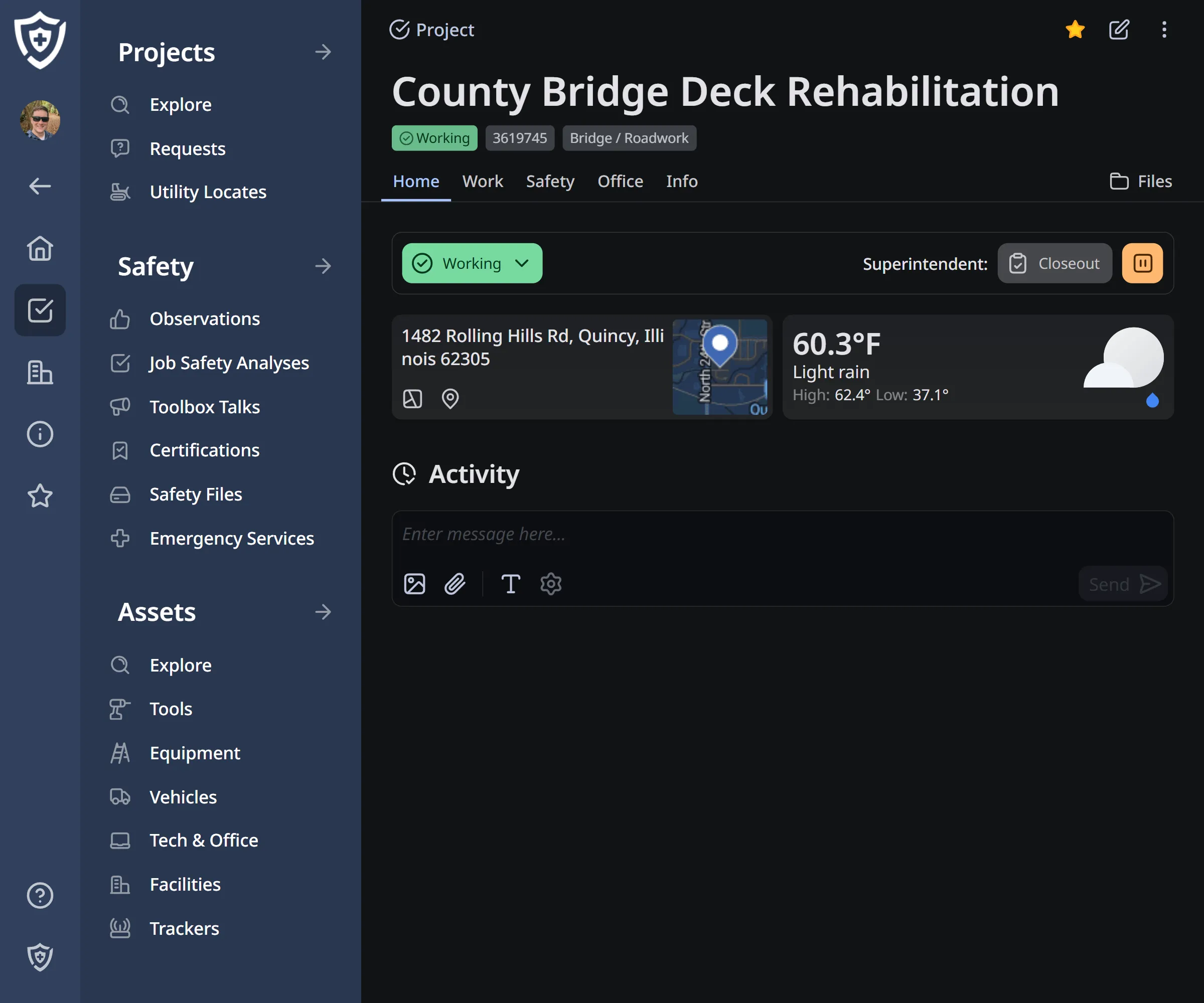
Our demo tablet gave visitors a chance to explore for themselves. Each walkthrough took a slightly different direction depending on the business, its current tools, and what the person wanted to accomplish. Some conversations focused on specific needs; others became a broader look at the capabilities available within the app.
A recurring response was surprise at how much the platform brought together. Visitors were interested in both the range of features and the flexibility to tailor the platform around their operations. Being able to click through the app made those discussions more concrete.
Just as valuable was the time spent listening. Even a few minutes at the booth gave us a better understanding of how different companies operate, the challenges they face, and where there might be a fit for working together.
AI and software that adapts
The level of interest in AI stood out throughout our conversations. Visitors raised questions about practical uses, integration, and technologies such as Model Context Protocol (MCP) servers. For our team, those discussions were a chance to hear what businesses were curious about and what they hoped AI could help them accomplish.
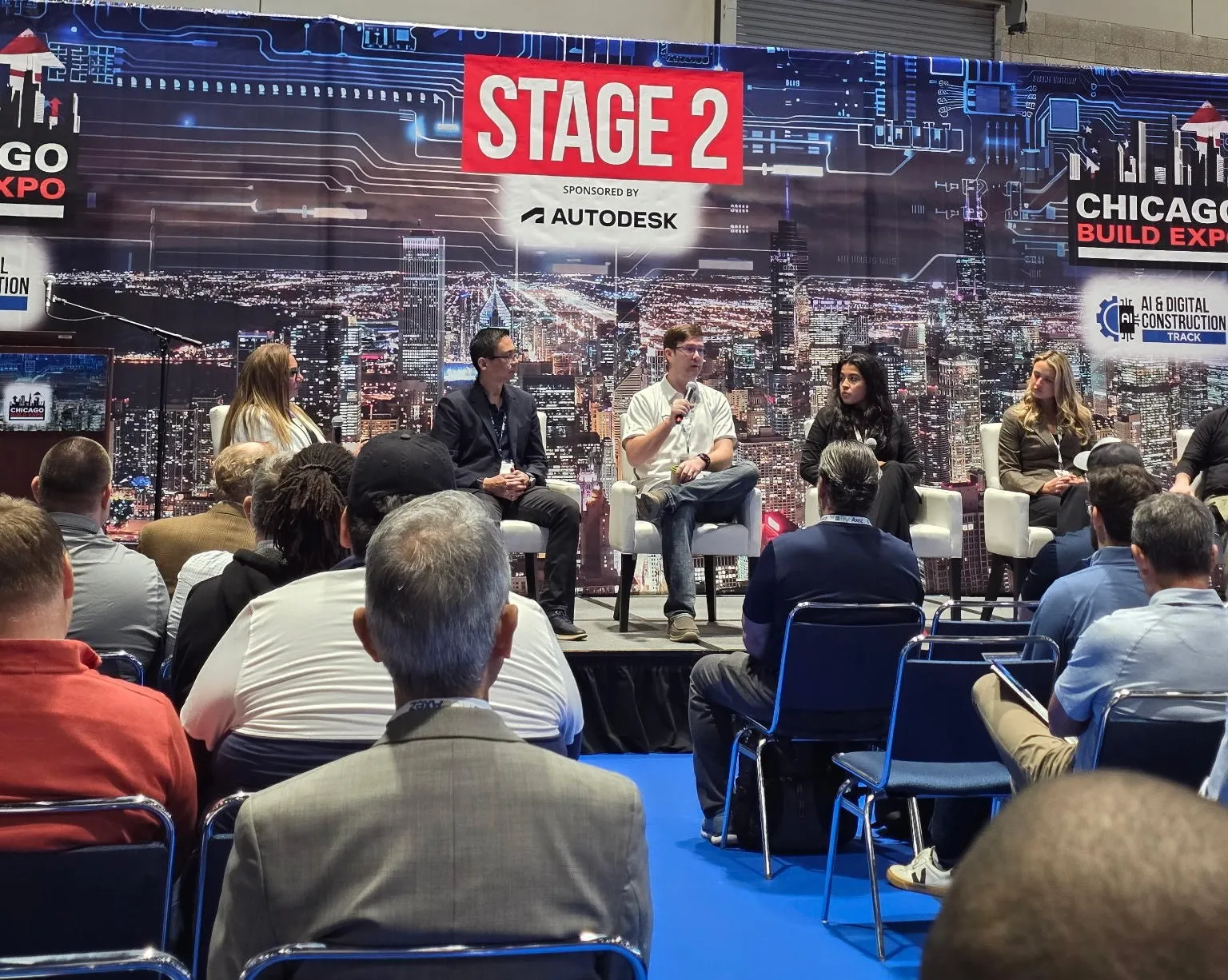
Safety Design founder Adam Jeffries also participated in an AI panel, sharing his perspective on the future of software. His central argument was that platforms should become more flexible and more closely tailored to the needs of individual users and businesses.
That perspective reflects how we approach Safety Design. Understanding a business's workflows and priorities helps guide how the platform can support its work. As AI develops, we see further potential to build on that flexibility.
Continuing the conversation
We left Chicago Build with new connections, useful feedback, and a clearer sense of the questions businesses are asking about their software and the future of AI.
Thank you to everyone who stopped by our booth, explored the demo, or took time to share what your business is working on. We appreciated the conversations and look forward to continuing them.
If we missed you at the event, or you would like a closer look at how Safety Design could fit your business, get in touch with our team.